

Hey there, fellow leather enthusiasts and industry peeps! As a glue spreader supplier, I often get asked a bunch of questions about what our machines can do. One question that pops up quite a bit is, “Can a glue spreader be used for leather?” Well, let's dig into this topic and find out.
First off, let's understand what a glue spreader is. A glue spreader is a machine designed to apply a thin, even layer of glue onto a surface. It comes in various types and sizes, and it's used in a whole bunch of industries. For example, in the woodworking industry, it's a key player. You can check out Glue Spreader Machine for Plywood and Veneer Glue Spreader Machine to see how it's used in plywood and veneer production. These machines are super efficient at getting that glue on just right, which is crucial for strong bonds in wood products.
Now, back to leather. Leather is a unique material. It's flexible, has a certain texture, and can vary a lot in terms of thickness and quality. So, can a glue spreader handle it? The short answer is yes, but there are some things to consider.
One of the main factors is the type of glue. Leather requires a specific kind of adhesive that can bond well with the material without causing damage. You can't just use any old glue that you'd use for wood or other materials. There are leather - specific glues that are flexible, durable, and can withstand the movement and stress that leather often goes through.
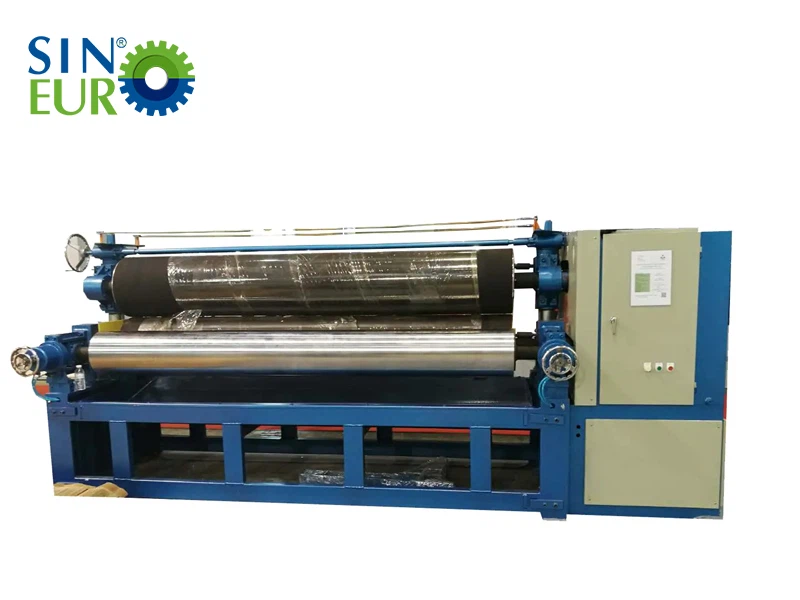
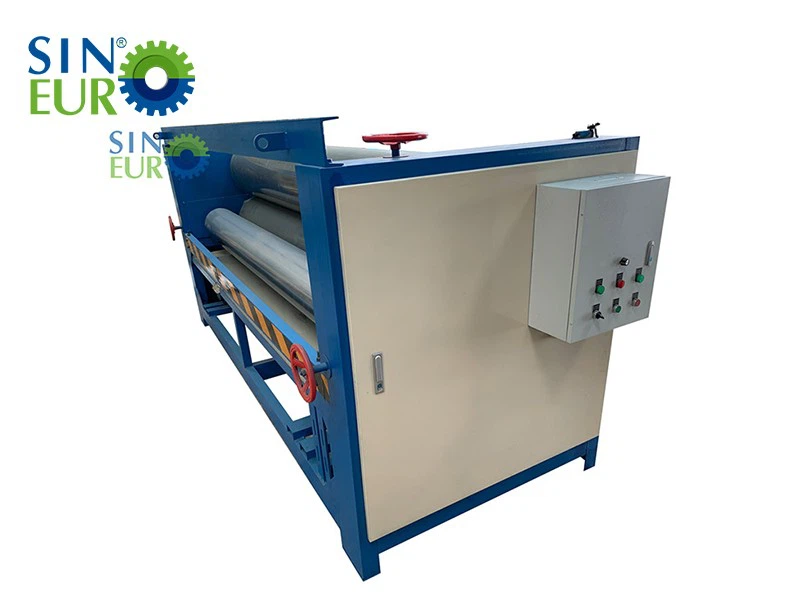
Another thing to think about is the application process. Leather is often more delicate than wood. When using a glue spreader on leather, you need to make sure that the pressure and speed of the machine are set correctly. If the pressure is too high, it could damage the leather's surface. On the flip side, if the speed is too fast or too slow, the glue may not be applied evenly.
Let's talk about the benefits of using a glue spreader for leather. One big advantage is consistency. When you're working on a leather project, whether it's making wallets, belts, or shoes, you want the glue to be spread evenly. A glue spreader can ensure that every part of the leather gets the same amount of glue, which leads to stronger and more reliable bonds. This consistency also helps in the overall look of the finished product. You won't have spots where the glue is too thick or too thin, which can make the leather look uneven or cause problems with the final assembly.
Efficiency is another plus. If you're a leatherworker who produces a lot of items, doing the glue application by hand can be time - consuming. A glue spreader can speed up the process significantly. You can cover a large area of leather in a short amount of time, which means you can get more products out the door.
However, there are also some challenges. As I mentioned earlier, setting up the machine correctly for leather can be tricky. You may need to do some testing and adjustments to get the perfect settings. Also, leather can have different finishes, like smooth, suede, or embossed. Each of these finishes may require a different approach when it comes to glue spreading. For example, a suede finish may absorb the glue differently than a smooth finish, so you need to be aware of these differences.
If you're thinking about using a glue spreader for your leather projects, here are some tips. First, start with a small piece of scrap leather. Test the glue and the machine settings on this scrap to see how it works. Make sure the glue adheres well and doesn't cause any discoloration or damage to the leather.
Second, clean the machine thoroughly before and after using it for leather. Leather can leave behind residues, and if these residues mix with other types of glue or materials, it can cause problems with future applications.
Third, choose the right glue spreader for the job. There are different models available, and some may be more suitable for leather than others. Look for a machine that allows for precise control of pressure and speed.
In the leather industry, there are already some businesses that are using glue spreaders successfully. For example, in high - end leather goods manufacturing, where precision and quality are key, glue spreaders are becoming more and more popular. They help these manufacturers create consistent, high - quality products that meet the demands of their customers.
So, to sum it up, a glue spreader can definitely be used for leather. It has its advantages in terms of consistency and efficiency, but it also comes with some challenges that you need to be aware of. If you're in the leather business and want to take your production to the next level, it's definitely worth considering investing in a glue spreader.
If you're interested in learning more about our glue spreaders and how they can work for your leather projects, don't hesitate to reach out. We're here to answer all your questions and help you find the right solution for your needs. Whether you're a small - scale leatherworker or a large - scale manufacturer, we've got the expertise and the products to support you. Let's have a chat and see how we can help you improve your leather production process.
References:
- General knowledge of glue spreader usage in different industries
- Experience in dealing with various materials and their bonding requirements