

A chipped blade can be a real nuisance, turning a once - efficient cutting tool into a frustrating piece of metal. But fear not! As a supplier of high - quality knife grinders, I'm here to guide you through the process of using a knife grinder to restore a chipped blade.
Understanding the Problem
Before you start grinding, it's crucial to understand the nature of the chip. A small chip might be a result of a one - time impact, while a larger chip could indicate repeated stress or a manufacturing defect. Inspect the blade carefully under good lighting. Look for the size, location, and depth of the chip. If the chip is near the tip of the blade, it might affect the precision of cuts, while a chip along the edge could make the blade tear rather than cut smoothly.
Choosing the Right Knife Grinder
As a knife grinder supplier, I offer a variety of machines suitable for different blade restoration needs.
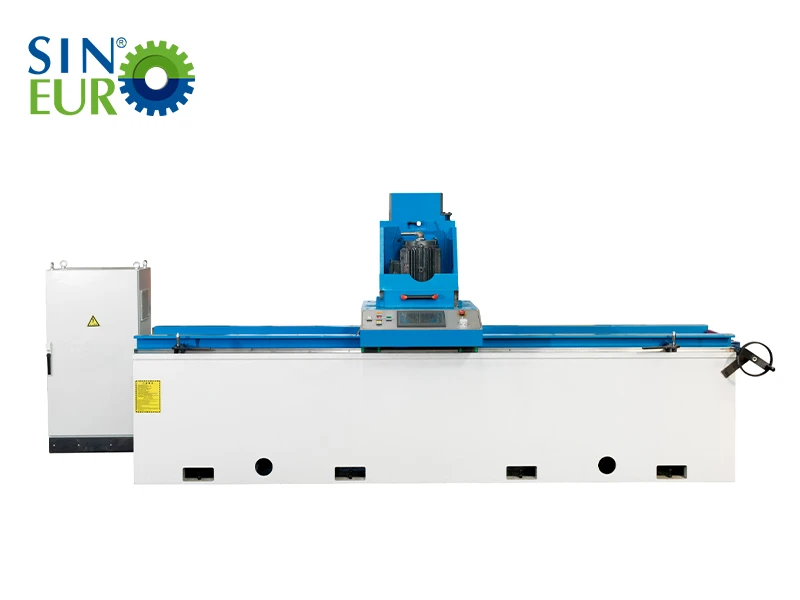
- Surface Blade Grinding Machine: This machine is ideal for blades that require a flat, even surface. If your chipped blade has a wide, flat cutting edge, the Surface Blade Grinding Machine can help you restore it to its former glory. It uses a grinding wheel to remove material from the blade's surface, gradually eliminating the chip and creating a sharp edge.
- Knife Grinder Blade Sharpener: For more general blade sharpening and minor chip repairs, the Knife Grinder Blade Sharpener is a great choice. It's a versatile tool that can handle different blade shapes and sizes. This sharpener often comes with adjustable settings, allowing you to control the angle and pressure during the grinding process.
- Cnc Knife Sharpening Machine: When precision is of the essence, especially for high - end or complex blades, the Cnc Knife Sharpening Machine is the way to go. It uses computer - numerical - control technology to ensure consistent and accurate grinding. This means that you can achieve the exact blade angle and edge sharpness you need, even when dealing with a chipped blade.
Preparing the Blade and the Grinder
Once you've chosen the appropriate grinder, it's time to prepare the blade and the machine.
- Clean the Blade: Use a mild solvent and a clean cloth to remove any dirt, grease, or debris from the blade. This will ensure that the grinding process is more effective and prevent any contaminants from getting into the grinder.
- Secure the Blade: Depending on the type of grinder, you'll need to secure the blade properly. Some grinders have clamps or holders specifically designed for different blade shapes. Make sure the blade is firmly held in place to prevent it from moving during grinding, which could lead to uneven results or even cause damage to the blade or the grinder.
- Inspect the Grinding Wheel: Check the grinding wheel for any signs of damage or wear. A worn - out or damaged wheel can't provide a proper grind. If necessary, replace the wheel according to the manufacturer's instructions. Also, make sure the wheel is clean and free of any debris.
The Grinding Process
Now, let's get into the actual grinding process.
- Start Slowly: Begin the grinding process at a low speed. This allows you to get a feel for the grinder and the blade. It also helps prevent overheating the blade, which can cause the metal to lose its temper and become brittle. As you start grinding, apply light pressure to the blade against the grinding wheel.
- Remove the Chip: Focus on the chipped area first. Move the blade back and forth across the grinding wheel in a smooth, even motion. Keep the blade at the correct angle. For most blades, a 20 - 30 - degree angle is a good starting point, but this can vary depending on the type of blade and its intended use. As you grind, you'll start to see the chip gradually disappearing.
- Check the Progress Regularly: Periodically stop the grinding process and inspect the blade. Look at the chipped area to see how much material has been removed. You can also run your finger along the edge (be very careful not to cut yourself) to feel for any rough spots or unevenness. If the blade starts to feel too hot, stop grinding and let it cool down to prevent overheating.
- Create a Sharp Edge: Once the chip has been removed, continue grinding the entire edge of the blade to create a sharp, consistent edge. You can use a honing stone or a finer - grit grinding wheel to refine the edge further. Move the blade across the honing stone or wheel in a similar back - and - forth motion, applying light pressure.
Finishing Touches
After grinding, there are a few finishing touches to make the blade ready for use.

- Deburr the Blade: Use a deburring tool or a fine - grit sandpaper to remove any burrs or rough edges left on the blade after grinding. This will give the blade a smooth, professional finish and prevent it from snagging on materials during cutting.
- Clean and Lubricate: Clean the blade again to remove any metal particles or debris left from the grinding process. Then, apply a thin layer of lubricant to protect the blade from rust and corrosion. You can use a knife oil or a light - weight machine oil for this purpose.
Safety Considerations
Throughout the entire process, safety should be your top priority.
- Wear Protective Gear: Always wear safety glasses to protect your eyes from flying metal particles. Gloves can also be worn to protect your hands from cuts and abrasions. If the grinder produces a lot of dust, consider wearing a dust mask.
- Follow the Manufacturer's Instructions: Each knife grinder has its own set of operating instructions. Make sure you read and understand these instructions thoroughly before using the grinder. This will help you operate the machine safely and effectively.
- Keep the Work Area Clean: A clean work area reduces the risk of accidents. Keep the grinder and the surrounding area free of clutter, and make sure all cords and cables are properly arranged.
Conclusion
Restoring a chipped blade using a knife grinder is a skill that can save you money and extend the life of your blades. As a knife grinder supplier, I'm committed to providing you with the best - quality machines and the knowledge to use them effectively. Whether you're a professional chef, a woodworker, or just someone who wants to keep their knives in top condition, our range of knife grinders can meet your needs.
If you're interested in purchasing a knife grinder or have any questions about blade restoration, I encourage you to reach out to us. We're here to assist you in finding the right solution for your specific requirements. Contact us today to start the procurement process and take your blade - sharpening skills to the next level.
References
- "Blade Sharpening Techniques" by Knife Making Magazine
- "The Science of Metalworking and Grinding" by Industrial Machinery Journal
- Manufacturer's manuals for Surface Blade Grinding Machine, Knife Grinder Blade Sharpener, and Cnc Knife Sharpening Machine.