

Sanding machines are essential tools in various industries, from woodworking to metal fabrication. As a leading supplier of sanding machines, I'm often asked about how these machines work. In this blog post, I'll provide a detailed overview of the working principles of sanding machines, exploring the different types and their applications.
Basic Components of a Sanding Machine
Before delving into how a sanding machine works, it's important to understand its basic components. A typical sanding machine consists of the following parts:
- Motor: The motor is the power source of the sanding machine. It provides the energy needed to drive the sanding belt or disc.
- Sanding Belt or Disc: The sanding belt or disc is the part of the machine that actually does the sanding. It is coated with abrasive particles that remove material from the workpiece.
- Table or Work Surface: The table or work surface is where the workpiece is placed during sanding. It provides a stable platform for the workpiece and allows for accurate sanding.
- Dust Collection System: A dust collection system is used to remove the dust and debris generated during sanding. This helps to keep the work area clean and reduces the risk of respiratory problems.
- Tensioning System: The tensioning system is used to keep the sanding belt or disc tight. This ensures that the belt or disc runs smoothly and efficiently.
Working Principles of a Sanding Machine
The working principle of a sanding machine is relatively simple. The motor drives the sanding belt or disc, which rotates at a high speed. The workpiece is then placed on the table or work surface and brought into contact with the sanding belt or disc. The abrasive particles on the belt or disc remove material from the workpiece, smoothing and finishing the surface.
There are two main types of sanding machines: belt sanders and disc sanders. Belt sanders use a continuous loop of sandpaper that is driven by a motor. Disc sanders, on the other hand, use a circular sanding disc that is mounted on a spindle.
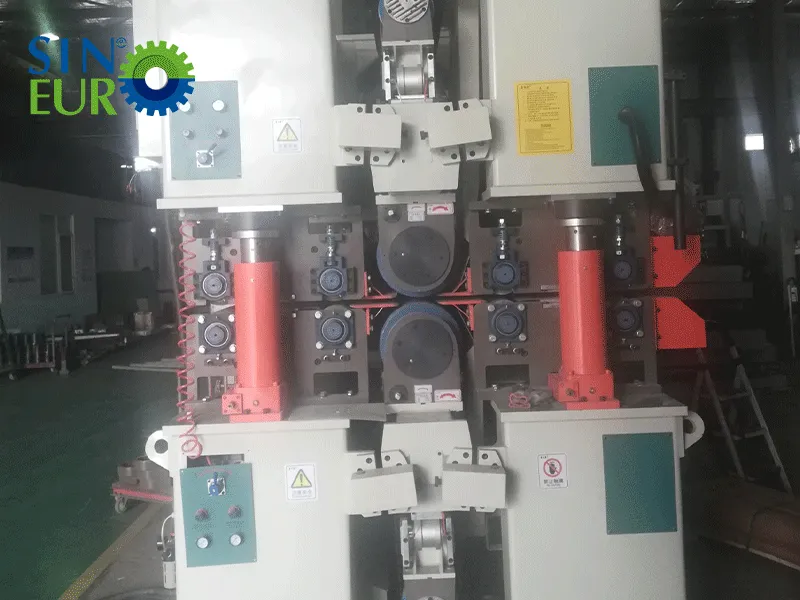

Belt Sanders
Belt sanders are commonly used for heavy-duty sanding applications, such as removing large amounts of material or smoothing rough surfaces. They are available in a variety of sizes and configurations, from handheld models to large industrial machines.
The sanding belt on a belt sander is typically made of a flexible material, such as cloth or paper, that is coated with abrasive particles. The belt is driven by a motor and rotates around two or more pulleys. The workpiece is placed on the table or work surface and brought into contact with the sanding belt. The abrasive particles on the belt remove material from the workpiece, smoothing and finishing the surface.
Belt sanders can be used for a variety of applications, including:
- Woodworking: Belt sanders are commonly used in woodworking to smooth rough surfaces, remove saw marks, and prepare wood for finishing.
- Metalworking: Belt sanders can also be used in metalworking to remove rust, paint, and other coatings from metal surfaces.
- Automotive Repair: Belt sanders are often used in automotive repair to sand body panels, remove paint, and prepare surfaces for painting.
Disc Sanders
Disc sanders are commonly used for light-duty sanding applications, such as finishing small parts or sanding curved surfaces. They are available in a variety of sizes and configurations, from handheld models to large industrial machines.
The sanding disc on a disc sander is typically made of a rigid material, such as aluminum oxide or silicon carbide, that is coated with abrasive particles. The disc is mounted on a spindle and driven by a motor. The workpiece is placed on the table or work surface and brought into contact with the sanding disc. The abrasive particles on the disc remove material from the workpiece, smoothing and finishing the surface.
Disc sanders can be used for a variety of applications, including:
- Woodworking: Disc sanders are commonly used in woodworking to sand small parts, such as cabinet doors and drawers, and to finish curved surfaces.
- Metalworking: Disc sanders can also be used in metalworking to sand small parts, such as nuts and bolts, and to finish curved surfaces.
- Jewelry Making: Disc sanders are often used in jewelry making to sand and polish small parts, such as rings and bracelets.
Types of Sanding Machines
In addition to belt sanders and disc sanders, there are several other types of sanding machines available, each with its own unique features and applications. Some of the most common types of sanding machines include:
Single Side Calibrating Sander
A single side calibrating sander is a type of sanding machine that is used to sand one side of a workpiece at a time. It is commonly used in the woodworking industry to sand plywood, particleboard, and other sheet materials.
The single side calibrating sander consists of a sanding belt or disc that is mounted on a spindle and driven by a motor. The workpiece is placed on a conveyor belt and passed through the sanding machine. The sanding belt or disc removes material from the surface of the workpiece, smoothing and finishing the surface.
Double Side Sanding Machine
A double side sanding machine is a type of sanding machine that is used to sand both sides of a workpiece at the same time. It is commonly used in the woodworking industry to sand plywood, particleboard, and other sheet materials.
The double side sanding machine consists of two sanding belts or discs that are mounted on spindles and driven by motors. The workpiece is placed on a conveyor belt and passed through the sanding machine. The sanding belts or discs remove material from both sides of the workpiece, smoothing and finishing the surface.
Double Face Plywood Sanding Machine
A double face plywood sanding machine is a type of sanding machine that is specifically designed for sanding plywood. It is commonly used in the woodworking industry to sand the faces of plywood sheets, removing any rough spots or imperfections.
The double face plywood sanding machine consists of two sanding belts or discs that are mounted on spindles and driven by motors. The plywood sheet is placed on a conveyor belt and passed through the sanding machine. The sanding belts or discs remove material from both faces of the plywood sheet, smoothing and finishing the surface.
Applications of Sanding Machines
Sanding machines are used in a variety of industries and applications, including:
- Woodworking: Sanding machines are essential tools in woodworking. They are used to smooth rough surfaces, remove saw marks, and prepare wood for finishing.
- Metalworking: Sanding machines are also used in metalworking to remove rust, paint, and other coatings from metal surfaces. They can also be used to sand and polish metal parts.
- Automotive Repair: Sanding machines are often used in automotive repair to sand body panels, remove paint, and prepare surfaces for painting.
- Furniture Manufacturing: Sanding machines are used in furniture manufacturing to smooth and finish wooden furniture parts. They can also be used to sand and polish metal furniture parts.
- Construction: Sanding machines are used in construction to sand and finish concrete floors, walls, and ceilings. They can also be used to sand and polish stone and tile surfaces.
Conclusion
Sanding machines are essential tools in various industries, from woodworking to metal fabrication. They work by using a motor to drive a sanding belt or disc, which rotates at a high speed. The abrasive particles on the belt or disc remove material from the workpiece, smoothing and finishing the surface.
As a leading supplier of sanding machines, we offer a wide range of products to meet the needs of our customers. Whether you're a professional woodworker, metalworker, or automotive repair technician, we have the sanding machine that's right for you.
If you're interested in learning more about our sanding machines or would like to discuss your specific needs, please don't hesitate to contact us. We'll be happy to help you find the perfect sanding machine for your application.
References
- Woodworking Machinery Handbook, Third Edition, by Robert W. Lang
- Metalworking Machinery Handbook, Fourth Edition, by Robert W. Lang
- Automotive Repair Manual, Fifth Edition, by Haynes Publishing Group