

The lifespan of a knife blade is a crucial consideration for industries that rely on cutting tools for their daily operations. As a leading knife blade supplier, we understand the importance of providing high-quality blades that offer long-lasting performance. In this blog post, we will explore the factors that influence the lifespan of a knife blade and provide insights into how you can maximize its durability.
Factors Affecting the Lifespan of a Knife Blade
Several factors can impact how long a knife blade lasts. Understanding these factors can help you make informed decisions when selecting a blade and implementing proper maintenance practices.

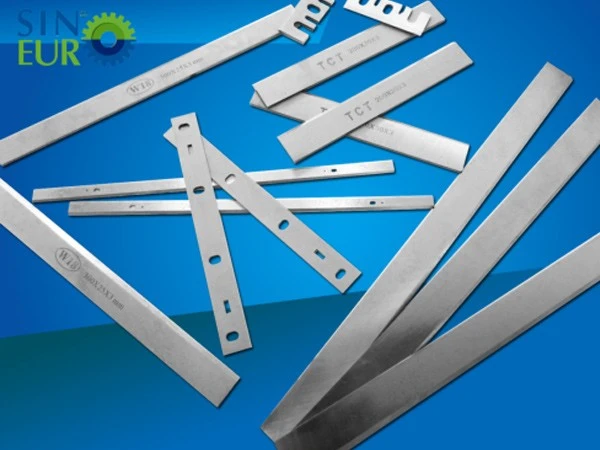
Blade Material
The material used to manufacture the blade is one of the most significant factors affecting its lifespan. Different materials have varying levels of hardness, toughness, and wear resistance. For example, high-speed steel (HSS) blades are known for their excellent cutting performance and are suitable for a wide range of applications. However, they may not be as durable as carbide blades, which are extremely hard and wear-resistant but can be more brittle.
Stainless steel blades are another popular choice due to their corrosion resistance, making them ideal for use in wet or corrosive environments. However, they may not offer the same level of cutting performance as HSS or carbide blades. When choosing a blade material, it's essential to consider the specific requirements of your application, including the type of material being cut, the cutting speed, and the operating conditions.
Cutting Application
The nature of the cutting application also plays a significant role in determining the lifespan of a knife blade. Blades used for light-duty applications, such as cutting paper or fabric, will generally last longer than those used for heavy-duty applications, such as cutting metal or wood. Heavy-duty applications typically involve higher cutting forces, greater friction, and more wear on the blade, which can significantly reduce its lifespan.
Additionally, the type of material being cut can also affect the blade's durability. For example, cutting abrasive materials, such as fiberglass or carbon fiber, can cause rapid wear on the blade edge, while cutting softer materials, such as rubber or plastic, may result in less wear. It's important to select a blade that is specifically designed for the type of material you will be cutting to ensure optimal performance and longevity.
Cutting Conditions
The cutting conditions, including the cutting speed, feed rate, and cutting depth, can also impact the lifespan of a knife blade. Operating the blade at excessive cutting speeds or feed rates can generate excessive heat and friction, which can cause the blade to wear out more quickly. Similarly, using a blade at a cutting depth that is too deep can put additional stress on the blade, leading to premature failure.
Proper lubrication and cooling are also essential for maintaining the lifespan of a knife blade. Lubricants help reduce friction between the blade and the material being cut, which can minimize heat generation and wear on the blade edge. Cooling systems, such as coolant or air jets, can help dissipate heat and prevent the blade from overheating, which can also extend its lifespan.
Maintenance and Care
Regular maintenance and care are crucial for ensuring the longevity of a knife blade. Proper cleaning, sharpening, and storage can help prevent corrosion, wear, and damage to the blade. After each use, it's important to clean the blade thoroughly to remove any debris or residue that may have accumulated during the cutting process. This can help prevent the build-up of contaminants, which can cause corrosion and reduce the blade's performance.
Sharpening the blade at regular intervals is also essential for maintaining its cutting edge. Dull blades require more force to cut, which can increase the wear on the blade and reduce its lifespan. There are several methods for sharpening a knife blade, including using a sharpening stone, a sharpening machine, or a professional sharpening service. It's important to follow the manufacturer's recommendations for sharpening the blade to ensure optimal results.
Finally, proper storage of the blade is also important for preventing damage and corrosion. Blades should be stored in a dry, clean environment, away from moisture and other contaminants. It's also a good idea to use a blade guard or sheath to protect the blade edge from damage during storage and transportation.
Typical Lifespan of a Knife Blade
The typical lifespan of a knife blade can vary widely depending on the factors discussed above. In general, blades used for light-duty applications can last anywhere from a few weeks to several months, while blades used for heavy-duty applications may only last a few days to a few weeks.
For example, a paper-cutting blade used in a low-volume office setting may last for several months before needing to be replaced, while a metal-cutting blade used in a high-volume manufacturing environment may only last a few days. Similarly, a blade used for cutting soft materials, such as wood or plastic, may last longer than a blade used for cutting hard or abrasive materials, such as metal or fiberglass.
It's important to note that these are just general guidelines, and the actual lifespan of a knife blade can vary significantly depending on the specific circumstances of your application. By carefully considering the factors discussed above and implementing proper maintenance and care practices, you can maximize the lifespan of your knife blades and ensure optimal performance and productivity.
Extending the Lifespan of Your Knife Blades
As a knife blade supplier, we are committed to helping our customers get the most out of their blades. Here are some tips for extending the lifespan of your knife blades:
- Choose the Right Blade: Select a blade that is specifically designed for your application and the type of material you will be cutting. Consider factors such as blade material, cutting performance, and durability when making your selection.
- Optimize Cutting Conditions: Operate the blade at the recommended cutting speed, feed rate, and cutting depth to minimize heat generation and wear on the blade. Use proper lubrication and cooling to help dissipate heat and reduce friction.
- Maintain Proper Maintenance and Care: Clean the blade regularly to remove debris and prevent corrosion. Sharpen the blade at regular intervals to maintain its cutting edge. Store the blade in a dry, clean environment to prevent damage and corrosion.
- Monitor Blade Performance: Keep an eye on the performance of your blades and replace them when they start to show signs of wear or damage. This can help prevent costly downtime and ensure consistent cutting quality.
Conclusion
In conclusion, the lifespan of a knife blade can vary widely depending on several factors, including the blade material, cutting application, cutting conditions, and maintenance and care. By understanding these factors and implementing proper selection, operation, and maintenance practices, you can maximize the lifespan of your knife blades and ensure optimal performance and productivity.
As a [Your Company] knife blade supplier, we offer a wide range of high-quality blades to meet the needs of various industries and applications. Whether you're looking for a Veneer Rotary Cutting Blade, a Knife and Blade for Veneer Peeling, or an Industrial Machinery Cutting Tools, we have the expertise and products to help you find the right solution for your specific requirements.
If you have any questions about our knife blades or need assistance in selecting the right blade for your application, please don't hesitate to contact us. Our team of experts is here to help you make the best decision and ensure that you get the most out of your investment.
References
- ASM Handbook, Volume 14B: Cutting Tool Materials and Applications, ASM International
- Machinery's Handbook, 31st Edition, Industrial Press Inc.
- Tool and Manufacturing Engineers Handbook, 4th Edition, Society of Manufacturing Engineers