

Maintaining a sanding machine is crucial for ensuring its optimal performance, longevity, and safety. As a trusted sanding machine supplier, I often get asked, "How often should I maintain my sanding machine?" In this blog post, I'll delve into the factors that influence maintenance frequency and provide some general guidelines to help you keep your sanding machine in top - notch condition.
Factors Affecting Maintenance Frequency
Usage Intensity
The frequency of use is one of the most significant factors. If your sanding machine is in constant operation, say, running for multiple shifts a day in a large - scale manufacturing plant, it will require more frequent maintenance compared to a machine that is used sporadically, like in a small woodworking hobbyist's workshop. High - intensity usage leads to more wear and tear on the machine's components, such as belts, motors, and bearings. For example, a belt on a heavily used sanding machine may wear out faster due to continuous friction against the workpieces, and the motor may overheat more easily from long - term operation.
Type of Materials Being Sanded
The materials you sand also play a vital role. Different materials have varying levels of hardness, abrasiveness, and dust production. Sanding hard materials like metal or dense hardwoods puts more stress on the sanding belts and other components. These materials can cause the belts to wear out more quickly and may also generate more dust. On the other hand, sanding softer materials like pine or MDF (Medium - Density Fiberboard) is generally less taxing on the machine. Additionally, some materials may produce corrosive dust, which can damage the internal parts of the machine over time.
Environmental Conditions
The environment in which the sanding machine operates can have a significant impact on maintenance frequency. Machines located in dusty or humid environments are more prone to problems. Dust can accumulate in the moving parts, causing them to jam or wear out prematurely. Humidity can lead to rust and corrosion, especially on metal components. For instance, if a sanding machine is placed in a poorly ventilated area where dust is not effectively removed, the dust can clog the cooling vents of the motor, leading to overheating.
General Maintenance Guidelines
Daily Maintenance
Regardless of the usage intensity, some basic daily maintenance tasks should be carried out. First, visually inspect the sanding machine before each use. Check for any loose parts, frayed belts, or signs of damage. This simple step can prevent potential accidents and breakdowns. Second, clean the machine after each use. Remove any dust and debris from the surface of the machine, the sanding belts, and the worktable. You can use a brush or a vacuum cleaner for this purpose. A clean machine not only operates more efficiently but also reduces the risk of dust - related malfunctions.
Weekly Maintenance
On a weekly basis, you should perform more in - depth checks. Check the tension of the sanding belts. Proper belt tension is essential for smooth and even sanding. If the belt is too loose, it may slip, resulting in uneven sanding; if it's too tight, it can cause excessive wear on the belt and other components. You can use a tension gauge to ensure the correct tension. Also, lubricate the moving parts as recommended by the manufacturer. This includes the bearings, pulleys, and any other parts that require lubrication to reduce friction and prevent wear.
Monthly Maintenance
Monthly maintenance involves more comprehensive inspections. Check the electrical connections for any signs of looseness, overheating, or damage. Loose electrical connections can cause power fluctuations, which may damage the motor or other electrical components. Inspect the dust collection system. A clogged dust collection system can lead to poor air quality in the workplace and also affect the performance of the sanding machine. Clean or replace the filters in the dust collection system if necessary.
Quarterly Maintenance
Quarterly maintenance is a good time to conduct a more thorough evaluation of the machine. Check the alignment of the sanding belts and the sanding heads. Misaligned belts or heads can result in uneven sanding and premature wear of the belts. You may need to use specialized tools to ensure proper alignment. Also, examine the motor for any signs of overheating or abnormal noise. If you notice any issues, it's best to have a professional technician inspect and repair the motor.
Annual Maintenance
Once a year, the sanding machine should undergo a complete overhaul. This includes disassembling the machine, cleaning all the components, and inspecting them for wear and damage. Replace any worn - out parts, such as belts, bearings, and brushes. This annual maintenance ensures that the machine continues to operate at its best and extends its overall lifespan.
Specific Considerations for Different Types of Sanding Machines
Single Side Calibrating Sander
The [Single Side Calibrating Sander](/plywood-production-line/sanding-machine/single - side - calibrating - sander.html) is designed to sand one side of a workpiece to a specific thickness. Due to its precision requirements, more frequent calibration checks are necessary. Regularly check the accuracy of the thickness adjustment mechanism to ensure that the sanded workpieces meet the desired specifications. Also, pay close attention to the sanding belts, as they need to be in good condition to achieve a smooth and consistent finish.
Double Face Plywood Sanding Machine
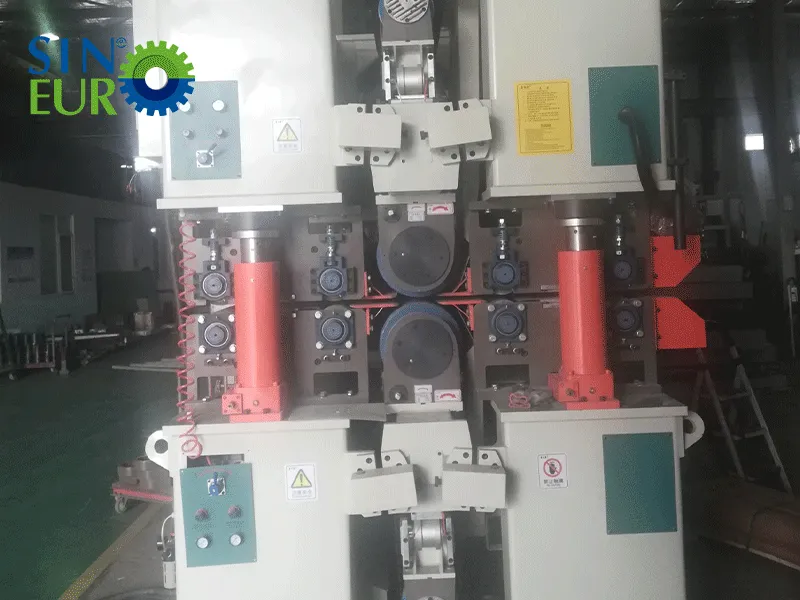
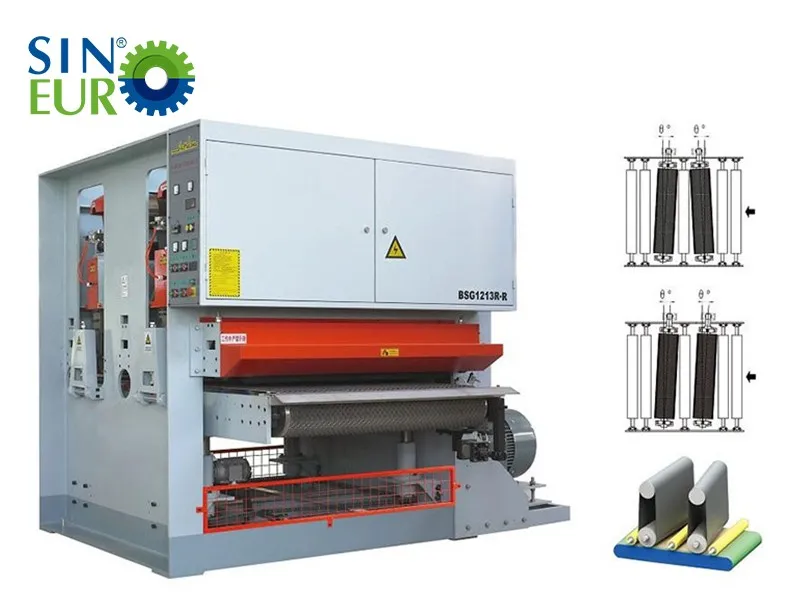
The [Double Face Plywood Sanding Machine](/plywood-production-line/sanding-machine/double - face - plywood - sanding - machine.html) sands both sides of the plywood simultaneously. This type of machine is often used in high - volume production environments. As a result, it requires more frequent maintenance to keep up with the heavy workload. In addition to the general maintenance tasks, special attention should be paid to the alignment of the two sanding heads to ensure that both sides of the plywood are sanded evenly.
Benefits of Regular Maintenance
Regular maintenance of your sanding machine offers numerous benefits. Firstly, it improves the quality of the sanding results. A well - maintained machine ensures smooth, even, and consistent sanding, which is essential for producing high - quality products. Secondly, it extends the lifespan of the machine. By replacing worn - out parts and keeping the machine clean and well - lubricated, you can prevent major breakdowns and costly repairs. Thirdly, it enhances safety. A properly maintained machine is less likely to malfunction, reducing the risk of accidents in the workplace.
Conclusion
In conclusion, the frequency of sanding machine maintenance depends on several factors, including usage intensity, the type of materials being sanded, and environmental conditions. By following the general maintenance guidelines and considering the specific requirements of your sanding machine, you can keep it in excellent condition. Remember, regular maintenance is an investment that pays off in terms of better performance, longer lifespan, and increased safety.
If you're in the market for a new sanding machine or need advice on maintaining your existing one, we're here to help. Contact us to discuss your needs and explore our range of high - quality sanding machines.

References
- Woodworking Machinery Handbook, published by a leading industry press.
- Manufacturer's manuals for various sanding machines.
- Industry research on the maintenance of industrial equipment.