

In the manufacturing and woodworking industries, the glue spreader has emerged as an indispensable tool. As a supplier of glue spreaders, I've witnessed firsthand the transformative impact these machines have on various production processes. In this blog post, I'll delve into the numerous advantages of using a glue spreader, highlighting why it's a smart investment for businesses across different sectors.
Precision and Consistency
One of the most significant advantages of using a glue spreader is the precision and consistency it offers. Manual glue application can be highly variable, leading to uneven glue distribution. This inconsistency can result in weak joints, delamination, and an overall sub - standard product. A glue spreader, on the other hand, is designed to apply a uniform layer of glue across the surface of the material.
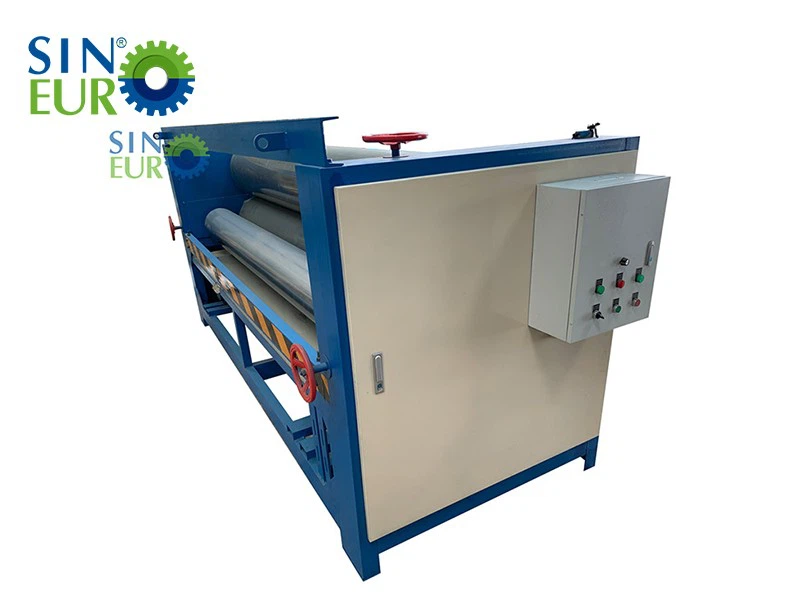

The advanced technology in modern glue spreaders allows for precise control of the glue thickness. Whether you're working with thin veneers or thick panels, the machine can be adjusted to apply the exact amount of glue required. For instance, in the production of Veneer Glue Spreader Machine, the ability to apply a consistent layer of glue is crucial for ensuring a strong bond between the veneers. This precision not only improves the quality of the final product but also reduces waste by preventing over - application of glue.
Increased Productivity
Time is money in the manufacturing world, and a glue spreader can significantly boost productivity. Manual glue application is a labor - intensive and time - consuming process. Workers have to carefully spread the glue, which is not only slow but also prone to human error. A glue spreader automates this process, allowing for a much faster application rate.
These machines can cover large surface areas in a short period. For example, in a plywood manufacturing plant using a Glue Spreader Machine for Plywood, the glue spreader can quickly and efficiently apply glue to multiple sheets of plywood, enabling the production line to keep moving at a rapid pace. By reducing the time spent on glue application, businesses can increase their overall output, meet deadlines more easily, and take on more orders.
Cost - Effectiveness
While the initial investment in a glue spreader may seem significant, it offers long - term cost savings. As mentioned earlier, the precision of a glue spreader reduces glue waste. Over - application of glue not only leads to higher material costs but can also cause problems during the manufacturing process, such as longer drying times and potential damage to equipment.
In addition, the increased productivity provided by a glue spreader means that fewer labor hours are required for glue application. This reduces labor costs, especially in industries where labor is a major expense. Moreover, the improved quality of the final product reduces the likelihood of rework and product returns, which can be costly for businesses. Overall, the cost - effectiveness of a glue spreader makes it a valuable asset for any manufacturing operation.
Versatility
Glue spreaders are highly versatile machines that can be used with a wide range of materials and glue types. Whether you're working with wood, metal, plastic, or composite materials, there's a glue spreader suitable for the job. Different industries have different requirements when it comes to glue application, and modern glue spreaders can be customized to meet these specific needs.
For example, in the furniture manufacturing industry, a glue spreader can be used to apply different types of adhesives, such as PVA glue for wood joints or epoxy glue for attaching metal components. The ability to use a single machine for multiple applications reduces the need for multiple tools and equipment, saving both space and money in the production facility.
Improved Workplace Safety
Manual glue application can pose several safety risks. Workers may be exposed to harmful fumes from the glue, and the repetitive motion of spreading glue can lead to musculoskeletal disorders. A glue spreader eliminates many of these risks by automating the glue application process.
The machine is designed to contain the glue within a closed system, reducing the exposure of workers to fumes. Additionally, the automated operation means that workers are not required to perform repetitive and potentially injurious tasks. This improves workplace safety and reduces the likelihood of work - related injuries, which can have a significant impact on a business in terms of worker compensation claims and lost productivity.
Better Quality Control
Quality control is essential in any manufacturing process, and a glue spreader plays a crucial role in ensuring consistent product quality. The precision and consistency of glue application provided by a glue spreader mean that each product produced meets the same high - quality standards.
Manufacturers can set specific parameters for glue thickness, coverage area, and application speed on the glue spreader. These parameters can be monitored and adjusted as needed to maintain quality control. By having a reliable and consistent glue application process, businesses can build a reputation for producing high - quality products, which is essential for long - term success in the market.
Environmental Benefits
In today's environmentally conscious world, businesses are increasingly looking for ways to reduce their environmental impact. A glue spreader can contribute to this goal by reducing glue waste. As mentioned earlier, the precision of a glue spreader ensures that only the necessary amount of glue is used, minimizing the amount of excess glue that ends up in landfills.
In addition, some modern glue spreaders are designed to be energy - efficient, using less power compared to older models. This not only reduces the carbon footprint of the manufacturing process but also results in lower energy costs for the business.
Ease of Maintenance
Glue spreaders are generally easy to maintain, which is another advantage for businesses. Most modern glue spreaders are designed with user - friendly features that make cleaning and maintenance straightforward. Regular maintenance, such as cleaning the glue rollers and checking the glue supply system, can help ensure the longevity and optimal performance of the machine.
Manufacturers often provide detailed maintenance manuals and support to help businesses keep their glue spreaders in good working condition. By investing in a high - quality glue spreader with easy maintenance requirements, businesses can minimize downtime and keep their production processes running smoothly.
Conclusion
The advantages of using a glue spreader are numerous and far - reaching. From precision and consistency to increased productivity, cost - effectiveness, and versatility, these machines offer significant benefits for businesses in various industries. As a supplier of glue spreaders, I'm confident that investing in a high - quality glue spreader can transform your manufacturing process and help you stay competitive in the market.
If you're interested in learning more about our glue spreaders or would like to discuss your specific requirements, I encourage you to reach out to us. Our team of experts is ready to assist you in finding the perfect glue spreader solution for your business. We look forward to the opportunity to work with you and help you take your production to the next level.
References
- Woodworking Machinery Handbook: A comprehensive guide to woodworking equipment, including glue spreaders.
- Manufacturing Technology Journal: Articles on the latest advancements in manufacturing processes and equipment, with a focus on glue application technology.
- Industrial Adhesives Research Reports: Studies on the performance and application of different types of adhesives in manufacturing, relevant to the use of glue spreaders.