

The lifespan of a plywood making line is a crucial consideration for both manufacturers and suppliers. As a supplier of plywood making lines, I have witnessed firsthand the impact that the lifespan of these machines can have on the overall efficiency and profitability of a plywood production business. In this blog post, I will explore the factors that influence the lifespan of a plywood making line, provide some estimates of how long these machines typically last, and offer some tips on how to extend their lifespan.
Factors Influencing the Lifespan of a Plywood Making Line
Quality of Manufacturing
The quality of manufacturing is perhaps the most significant factor influencing the lifespan of a plywood making line. Machines that are built with high - quality materials and precision engineering are likely to last longer. For example, a line with a well - constructed frame made of thick and durable steel will be more resistant to wear and tear. High - grade electrical components and mechanical parts also contribute to the longevity of the machine. At our company, we take great pride in using only the best materials and the latest manufacturing techniques to ensure that our plywood making lines are built to last.
Usage Intensity
The intensity of usage is another important factor. A plywood making line that operates 24/7 will naturally experience more wear and tear than one that runs only part - time. Continuous operation can lead to faster degradation of components such as motors, belts, and cutting blades. Additionally, high - volume production often means that the machines are under more stress, which can cause parts to fail prematurely. It is essential for manufacturers to carefully consider their production needs and adjust the usage of the plywood making line accordingly.
Maintenance and Care
Proper maintenance and care are vital for extending the lifespan of a plywood making line. Regular cleaning, lubrication, and inspection of the machines can prevent many common problems. For instance, keeping the saw blades sharp and well - maintained can improve the quality of the cut and reduce the strain on the motor. Timely replacement of worn - out parts is also crucial. Our company provides detailed maintenance guides to our customers and offers support services to ensure that their plywood making lines are always in optimal condition.
Environmental Conditions
The environment in which the plywood making line operates can also affect its lifespan. High humidity, extreme temperatures, and dusty conditions can all have a negative impact on the machines. Moisture can cause rusting of metal parts, while dust can clog the moving components and electrical systems. It is important to place the plywood making line in a well - ventilated and climate - controlled environment to minimize these risks.
Typical Lifespan of a Plywood Making Line
On average, a well - maintained plywood making line can last anywhere from 10 to 20 years. However, this estimate can vary widely depending on the factors mentioned above. A high - quality line that is used moderately and properly maintained may last even longer, up to 25 years or more. In contrast, a low - quality line that is subjected to heavy usage and poor maintenance may start to experience significant problems within 5 years.
Let's break down the lifespan by different types of plywood making lines:
Block Board Machine
The Block Board Machine is an essential part of the plywood production process. With proper care, a block board machine can last around 15 - 20 years. These machines are often used for creating block boards, which are widely used in furniture and construction. Their lifespan is influenced by the same factors as other plywood making equipment, such as the quality of manufacturing, usage intensity, and maintenance.
Blockboard Production Line
A Blockboard Production Line is a more comprehensive setup that includes multiple machines working together. Due to its complexity, the lifespan of a blockboard production line can range from 12 to 18 years. The coordination between different components means that any single malfunctioning part can potentially affect the entire line. Therefore, regular maintenance and timely replacement of parts are even more critical for these production lines.
Pp Plywood Production Line
The Pp Plywood Production Line is designed for producing PP plywood, which has specific production requirements. These lines typically have a lifespan of 10 - 15 years. The specialized nature of the production process may require more frequent calibration and adjustment of the machines, which can impact their overall lifespan.
Tips for Extending the Lifespan of a Plywood Making Line
Train Your Staff
Proper training of the operators is essential. Well - trained staff are more likely to operate the machines correctly, which can reduce the risk of damage. They will also be able to identify early signs of problems and take appropriate action. Our company offers training programs for our customers' staff to ensure that they are proficient in operating and maintaining the plywood making lines.
Follow a Maintenance Schedule
Create and follow a strict maintenance schedule. This should include daily, weekly, monthly, and annual maintenance tasks. For example, daily cleaning and inspection, weekly lubrication of moving parts, monthly checks of electrical systems, and annual major overhauls. Adhering to a schedule can help prevent small problems from turning into major breakdowns.
Use Genuine Parts
When it comes to replacing parts, always use genuine parts recommended by the manufacturer. Non - genuine parts may not fit properly or have the same level of quality, which can lead to further problems and reduce the lifespan of the machine. Our company provides a wide range of genuine parts for our plywood making lines to ensure the best performance and longevity.
Upgrade Regularly
Consider upgrading the plywood making line periodically. Technological advancements can offer more efficient and reliable components. Upgrading can improve the productivity and performance of the line, as well as extend its lifespan. We keep our customers informed about the latest upgrades available for their machines.
Conclusion
The lifespan of a plywood making line is influenced by multiple factors, including the quality of manufacturing, usage intensity, maintenance, and environmental conditions. On average, a well - maintained line can last between 10 and 20 years, but this can vary depending on the type of line. By following the tips mentioned above, manufacturers can extend the lifespan of their plywood making lines, improve productivity, and reduce costs in the long run.
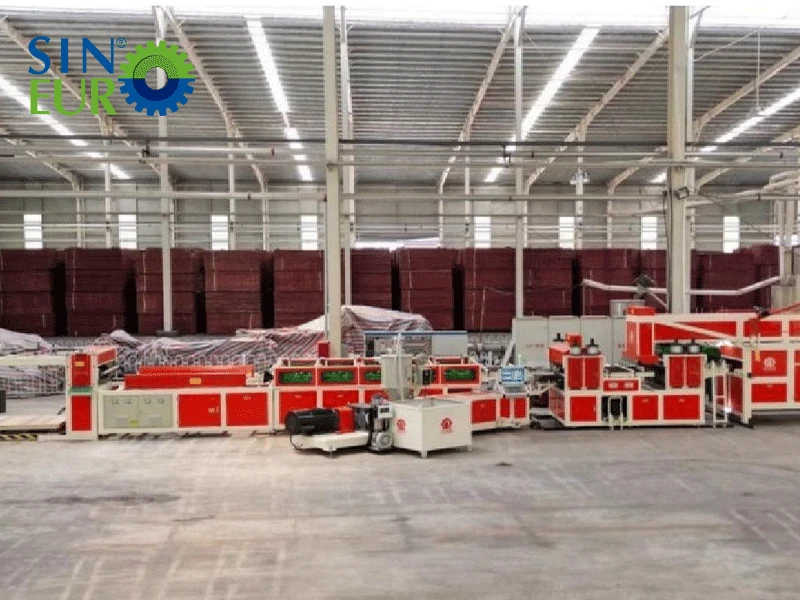

If you are in the market for a plywood making line or need to upgrade your existing equipment, we are here to help. Our company offers high - quality plywood making lines with excellent after - sales support. Contact us to discuss your specific requirements and start a profitable partnership in the plywood production industry.
References
- Wood Product Manufacturing Handbook.
- Industrial Machinery Maintenance Best Practices Guide.
- Plywood Production Technology Research Papers.