

Hey there! As a supplier of glue spreaders, I often get asked about the minimum glue viscosity suitable for a glue spreader. It's a crucial question because getting the viscosity right can make a huge difference in the performance of your glue spreading process. In this blog, I'm going to break down what glue viscosity is, why it matters, and how to figure out the minimum viscosity that works best for your glue spreader.
First off, let's talk about what viscosity actually means. Viscosity is basically a measure of a fluid's resistance to flow. Think of it like this: honey is thick and flows slowly, so it has a high viscosity. On the other hand, water is thin and flows easily, so it has a low viscosity. When it comes to glue, the viscosity affects how it spreads and adheres to surfaces.
Now, why does the viscosity of the glue matter for a glue spreader? Well, if the glue is too thick (high viscosity), it might not flow through the spreader properly. This can lead to uneven glue application, clogging of the spreader's nozzles or rollers, and overall poor performance. On the other hand, if the glue is too thin (low viscosity), it might drip or run off the surface before it can bond properly, resulting in weak joints and a messy work area.
So, how do you determine the minimum glue viscosity suitable for your glue spreader? There are a few factors to consider.
Type of Glue Spreader
Different types of glue spreaders have different requirements when it comes to glue viscosity. For example, roller-type glue spreaders are commonly used in the plywood industry. These spreaders work by applying glue to the surface using rotating rollers. They generally work well with a medium to high viscosity glue. The rollers need enough resistance from the glue to pick it up and transfer it evenly onto the surface. If the glue is too thin, it might not stick to the rollers properly, leading to inconsistent coverage. You can check out our Glue Spreader Machine for Plywood for more information on this type of spreader.
On the other hand, spray-type glue spreaders are often used for more delicate applications or when a thin layer of glue is needed. These spreaders rely on the glue being atomized into small droplets and sprayed onto the surface. They typically require a lower viscosity glue to ensure that the glue can be easily sprayed through the nozzles without clogging. Our Veneer Glue Spreader Machine is an example of a machine that can use spray technology, and it has specific viscosity requirements for optimal performance.
Surface Material
The material you're applying the glue to also plays a role in determining the minimum glue viscosity. Porous surfaces, such as wood or cardboard, tend to absorb the glue more readily. For these surfaces, a slightly lower viscosity glue might be sufficient because the pores in the material will help hold the glue in place. However, non-porous surfaces, like metal or plastic, require a higher viscosity glue to prevent the glue from running off or not adhering properly.
Application Speed
The speed at which you're applying the glue can also affect the ideal viscosity. If you're working at a high speed, you might need a higher viscosity glue to ensure that it doesn't drip or splatter during the application process. A lower viscosity glue might be more suitable for slower application speeds, where there's more time for the glue to spread and bond.
Testing and Adjusting
The best way to find the minimum glue viscosity for your specific glue spreader is through testing. Start by using the manufacturer's recommended viscosity range for your glue spreader and the type of glue you're using. Then, make small adjustments to the viscosity by adding a small amount of solvent or thickener to the glue. Test the glue on a sample surface using your glue spreader and observe the results. Look for even coverage, proper adhesion, and no signs of clogging or dripping. Keep adjusting the viscosity until you find the sweet spot that gives you the best results.
Here are some general guidelines to help you get started:

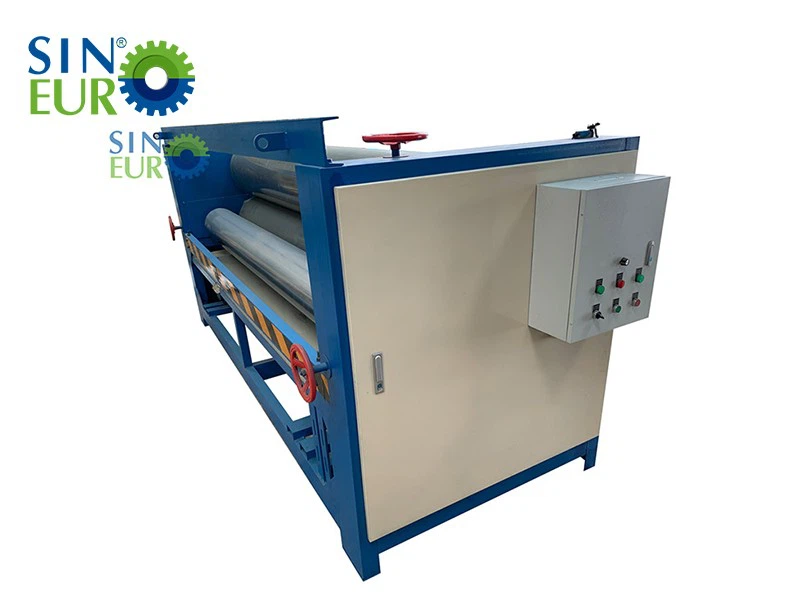
- For roller-type glue spreaders used in plywood production, a glue viscosity in the range of 1,000 - 5,000 centipoise (cP) is often a good starting point. You can adjust this based on the specific requirements of your production process.
- For spray-type glue spreaders, a viscosity of around 100 - 500 cP is typically recommended. However, this can vary depending on the size of the nozzles and the type of spray pattern you're trying to achieve.
It's important to note that these are just rough estimates, and the actual minimum viscosity will depend on the factors mentioned above.
In conclusion, finding the minimum glue viscosity suitable for your glue spreader is a process that requires some experimentation and understanding of your specific application. By considering the type of glue spreader, the surface material, the application speed, and conducting proper testing, you can ensure that you're using the right viscosity glue for optimal performance.
If you're in the market for a new glue spreader or need more information on how to optimize your glue spreading process, don't hesitate to reach out. We're here to help you find the best solutions for your business. Whether you're a small workshop or a large-scale manufacturing facility, we have the expertise and products to meet your needs.
References
- ASTM D2196 - Standard Test Methods for Rheological Properties of Non - Newtonian Materials by Rotational Viscometer
- Textbooks on adhesive technology and woodworking machinery operation