

When it comes to the industrial drying process, mesh dryers have emerged as a reliable and efficient solution. As a prominent mesh dryer supplier, I often encounter inquiries about the size of a standard mesh dryer. In this blog, I'll delve into the various aspects related to the size of these essential machines, including factors influencing size, typical dimensions, and how size relates to performance and application.
Factors Influencing the Size of a Mesh Dryer
The size of a mesh dryer is not arbitrarily determined; instead, it is influenced by several key factors that are closely tied to the specific requirements of the drying process.
Production Capacity
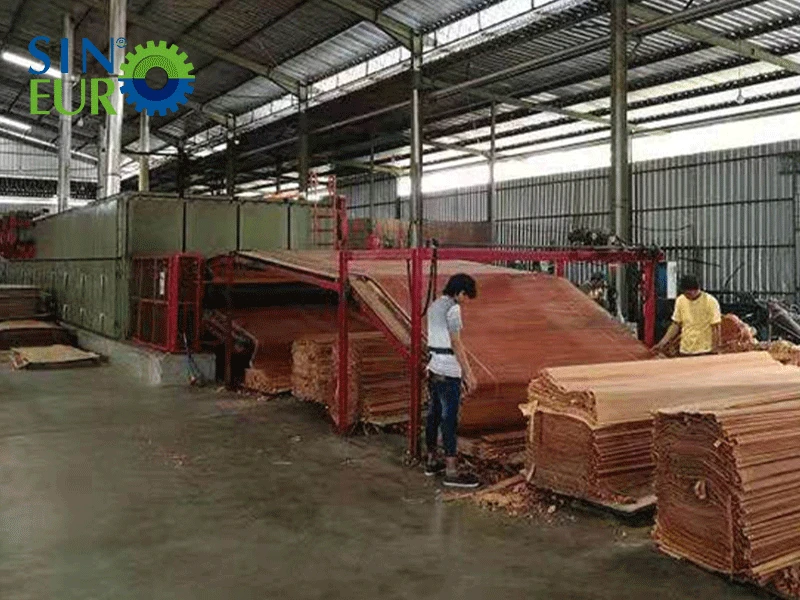
One of the primary factors is the production capacity. If a company needs to dry a large volume of materials within a short period, a larger mesh dryer will be required. For example, a plywood manufacturing plant that processes a high volume of veneers daily will need a dryer with a large belt width and a longer drying chamber to ensure efficient and continuous drying. In contrast, a small - scale handicraft workshop that dries small batches of products may opt for a smaller mesh dryer.
Material Characteristics
The nature of the material being dried also plays a crucial role. Different materials have different moisture contents, densities, and heat sensitivities. Materials with high moisture content may require a larger dryer to allow sufficient time for the moisture to evaporate. For instance, thick and dense materials like core veneers may need a longer drying path and more heat transfer area, which often translates to a larger dryer size. On the other hand, thin and lightweight materials such as face veneers can be dried in a relatively smaller dryer.
Drying Efficiency
Drying efficiency is another important consideration. A larger mesh dryer can often provide better drying efficiency as it allows for a more uniform distribution of heat and air flow. With a larger drying chamber, the materials can be spread out more evenly, reducing the chances of uneven drying. However, it's important to note that a well - designed smaller dryer can also achieve high drying efficiency if it is optimized for the specific material and production requirements.
Typical Dimensions of Standard Mesh Dryers
While there is no one - size - fits - all standard for mesh dryers, there are some common dimensions based on different applications.
Belt Width
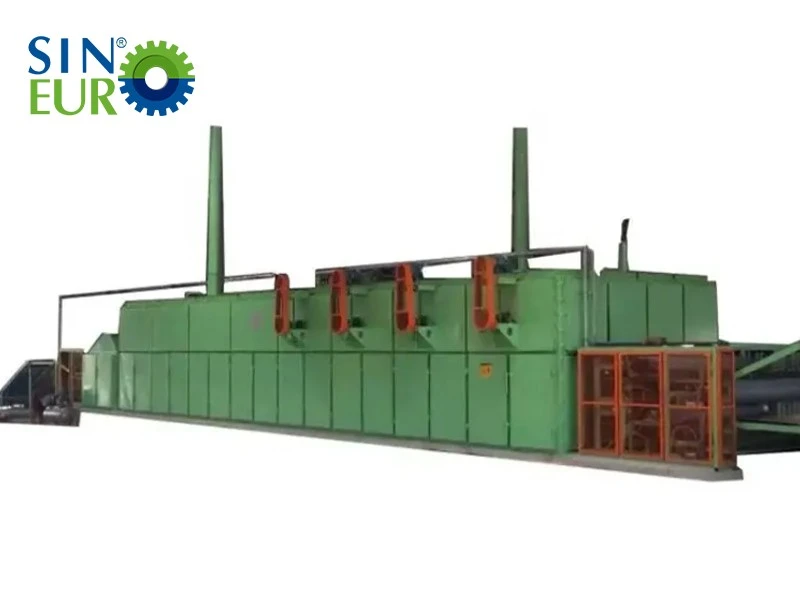
The belt width of a mesh dryer typically ranges from 0.5 meters to 3 meters. Smaller belt widths are often used in laboratory settings or for small - scale production where the volume of materials is limited. For industrial applications, belt widths of 1.5 meters to 3 meters are more common. For example, our Industrial Use Mesh Belt Dryer for Core Veneer is available in various belt widths to meet different production needs. A wider belt allows for more materials to be processed simultaneously, increasing the overall production capacity.
Drying Chamber Length
The length of the drying chamber can vary significantly, from a few meters to over 20 meters. Shorter drying chambers are suitable for materials that are easy to dry or for applications with lower production requirements. Longer drying chambers are used when more time is needed for the drying process, such as when drying thick or high - moisture materials. For instance, our Plywood Continuous Belt Drying Dryer Machine Wood Face can be customized with different drying chamber lengths to ensure optimal drying results for plywood production.
Height
The height of a mesh dryer is usually determined by the number of belt layers and the space required for the air circulation system. In general, the height can range from 1 meter to 3 meters. Multi - layer mesh dryers are often taller as they stack multiple belts vertically to save floor space while increasing the drying area. Our Face Veneer Mesh Belt Dryer can be designed with different heights depending on the customer's factory layout and production requirements.
Size and Performance
The size of a mesh dryer is closely related to its performance. A larger dryer generally has a higher production capacity, which means it can process more materials in a given time. However, this also requires more energy to operate. Therefore, it's important to find a balance between size and energy consumption.
In terms of drying quality, a well - sized dryer can ensure more uniform drying. If the dryer is too small for the volume of materials being processed, the materials may not be dried thoroughly, leading to inconsistent product quality. Conversely, if the dryer is too large, it may result in unnecessary energy waste.
Size and Application
Different applications have different size requirements for mesh dryers.
Wood Industry
In the wood industry, such as plywood and veneer production, mesh dryers are used to dry wood materials. As mentioned earlier, core veneers, which are thicker and denser, often require larger dryers. Face veneers, being thinner, can be dried in relatively smaller dryers. Our range of mesh dryers is specifically designed to meet the diverse needs of the wood industry, with various sizes available for different types of wood materials.
Food Industry
In the food industry, mesh dryers are used to dry fruits, vegetables, and grains. The size of the dryer depends on the volume of food products being processed and the specific drying requirements. For small - scale food processing enterprises, a smaller mesh dryer may be sufficient. However, large - scale food manufacturers may need a larger dryer to meet their high - volume production needs.
Chemical Industry
The chemical industry also utilizes mesh dryers for drying chemical products. Chemical materials often have strict drying requirements in terms of temperature and moisture content. The size of the dryer is determined by the production scale and the characteristics of the chemical materials. For example, some heat - sensitive chemicals may require a larger dryer with a more precise temperature control system to ensure safe and effective drying.
Conclusion
In conclusion, the size of a standard mesh dryer is influenced by multiple factors, including production capacity, material characteristics, drying efficiency, and application. There is no fixed standard size, as mesh dryers need to be customized to meet the specific needs of different industries and production processes. As a mesh dryer supplier, we understand the importance of providing the right - sized dryers for our customers. We offer a wide range of mesh dryers with different sizes and configurations to ensure optimal performance and efficiency.
If you are in the market for a mesh dryer and need help determining the appropriate size for your application, we invite you to contact us for a detailed consultation. Our team of experts will work closely with you to understand your requirements and provide the best - suited mesh dryer solution. Let's start a fruitful discussion about your drying needs and find the perfect mesh dryer for your business.
References
- "Industrial Drying Technology" by Arun S. Mujumdar
- "Principles of Drying" by Christopher J. Geankoplis