

How to Improve the Surface Finish of Plywood Produced by a Making Line
As a reputable plywood making line supplier, I've witnessed firsthand the challenges and opportunities that plywood manufacturers face when it comes to improving the surface finish of their products. A high - quality surface finish not only enhances the aesthetic appeal of plywood but also improves its durability and marketability. In this blog, I'll share some effective strategies and techniques to help you achieve a better surface finish on the plywood produced by your making line.
Understanding the Basics of Plywood Surface Finish
Before delving into the improvement strategies, it's crucial to understand what influences the surface finish of plywood. The surface finish is affected by multiple factors, including the quality of raw materials, the manufacturing process, and the post - treatment methods.
- Raw Materials: The quality of veneers, adhesives, and other additives used in plywood production significantly impacts the surface finish. Veneers with fewer knots, splits, and defects tend to result in a smoother surface. The adhesive should also be evenly spread and cured properly to ensure a strong and uniform bond between the veneers.
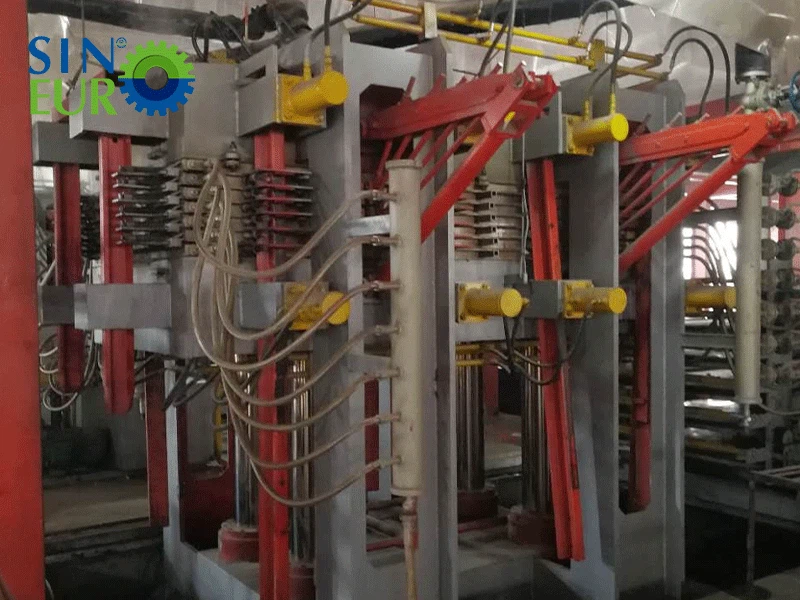
- Manufacturing Process: The precision of the machinery in your plywood making line plays a vital role. Factors such as pressure, temperature, and pressing time during the hot - pressing stage can affect the surface smoothness. Any misalignment or uneven pressure distribution can lead to surface irregularities on the plywood.
- Post - treatment: Sanding, coating, and polishing are common post - treatment methods that can enhance the surface finish. However, improper post - treatment can also damage the surface and reduce the quality of the finish.
Strategies for Improving Surface Finish
1. Select High - Quality Raw Materials
- Veneer Selection: Source veneers from reliable suppliers. Look for veneers with a consistent thickness, moisture content, and grain pattern. Veneers with a moisture content between 6% - 12% are ideal for most plywood production. Inspect the veneers carefully for defects such as knots, cracks, and discoloration before using them in the production process.
- Adhesive Quality: Choose adhesives that are specifically formulated for plywood production. The adhesive should have good bonding strength, water resistance, and curing properties. Ensure that the adhesive is applied evenly on the veneers to prevent uneven bonding and surface defects.
2. Optimize the Manufacturing Process
- Precision Machinery: Invest in high - precision plywood manufacturing machinery. Modern machines are equipped with advanced control systems that can precisely regulate pressure, temperature, and pressing time. Regularly maintain and calibrate your machinery to ensure its optimal performance.
- Proper Stacking and Alignment: When stacking the veneers, make sure they are properly aligned. Misaligned veneers can cause uneven pressure distribution during pressing, resulting in surface defects. Use alignment guides and fixtures to ensure accurate stacking.
- Pressing Parameters: Experiment with different pressing parameters to find the optimal combination for your specific plywood product. Higher pressure generally leads to a denser and smoother surface, but it should be balanced with the risk of crushing the veneers. Adjust the temperature and pressing time according to the type of adhesive and veneers used.
3. Effective Post - treatment Techniques
- Sanding: Sanding is one of the most effective ways to improve the surface finish of plywood. Use a progressive sanding process, starting with a coarse - grit sandpaper and gradually moving to a finer - grit sandpaper. This helps to remove any surface roughness, unevenness, and glue residues. Make sure to sand in the direction of the wood grain to avoid scratching the surface.
- Coating: Applying a coating such as a primer, paint, or stain can further enhance the surface finish and protect the plywood from moisture, abrasion, and UV damage. Choose a coating that is compatible with the plywood and the intended use of the product. Follow the manufacturer's instructions for application and drying time.
- Polishing: Polishing can give the plywood a high - gloss and smooth surface finish. Use a polishing compound and a buffing machine to achieve a professional - looking finish. Polishing is especially effective for plywood used in high - end furniture and decorative applications.
The Role of Advanced Equipment
Investing in advanced equipment can make a significant difference in the surface finish of plywood. For example, blockboard production lines are designed to produce high - quality blockboard, which can be further processed to improve the surface finish. These production lines often feature advanced pressing technology, precise cutting systems, and automated handling equipment, all of which contribute to better product quality.
Similarly, block board machines can be customized to meet specific production requirements, allowing for greater control over the manufacturing process. These machines can be equipped with advanced sensors and control systems to ensure consistent quality and surface finish.
Quality Control and Monitoring
Implementing a comprehensive quality control program is essential for improving the surface finish of plywood. Regularly inspect the plywood samples at different stages of the production process, from raw materials to the final product. Use tools such as surface roughness testers, optical microscopes, and visual inspection to detect any surface defects.

Collect data on the surface finish quality and analyze it to identify trends and areas for improvement. By continuously monitoring and improving the production process, you can ensure that your plywood products meet the highest quality standards.
Conclusion
Improving the surface finish of plywood produced by a making line requires a combination of high - quality raw materials, optimized manufacturing processes, effective post - treatment techniques, and advanced equipment. As a plywood making line supplier, we are committed to providing our customers with the latest technology and solutions to help them achieve better surface finishes and produce high - quality plywood products.
If you're interested in improving the surface finish of your plywood products or upgrading your plywood making line, we invite you to contact us for more information. Our team of experts can provide you with customized solutions based on your specific needs and production requirements. Let's work together to take your plywood production to the next level.
References
- Smith, J. (2020). Plywood Manufacturing: Principles and Practices. Wood Science Press.
- Johnson, A. (2019). Surface Finishing Techniques for Wood Products. Woodworking Journal.
- Brown, L. (2018). Advanced Plywood Machinery: A Technical Guide. Machinery Publishing.